

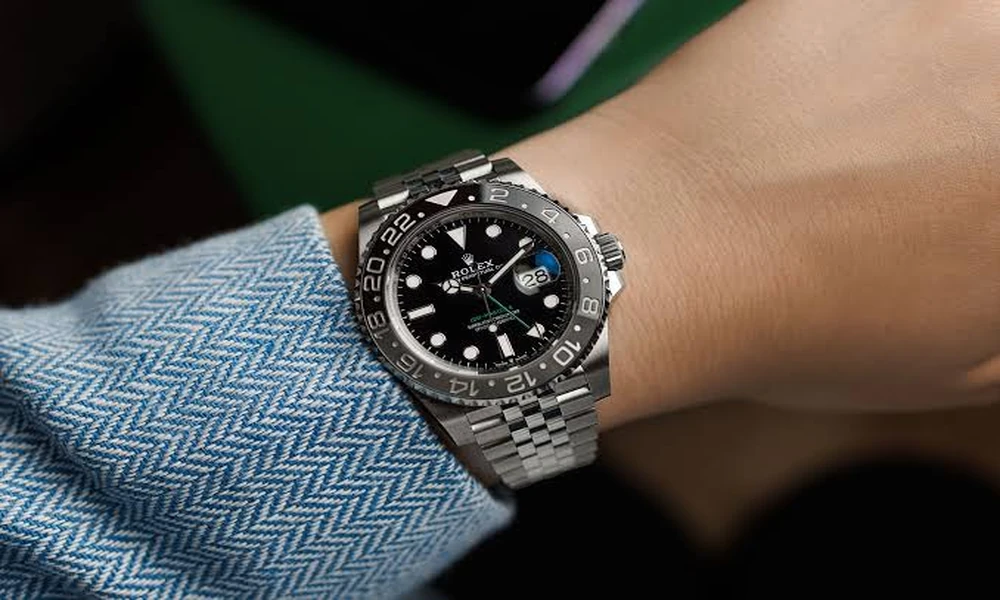
A Rolex is one of the few things you can wear for a decade and still sell for serious money. It is also one of the easiest things to sell badly. The market for pre-owned Rolex is deep, active and full of buyers, and that is exactly why the gap between a fair offer and a poor one can be so wide. If you are thinking about selling, a little understanding of how the watch is valued will protect you from the most common mistakes.
The first point to get clear is that a Rolex is not priced like gold. A gold chain is worth its weight in metal. A Rolex is worth far more than the steel or gold it is made from. Its value comes from the model, the specific reference number, the condition, the service history, whether the parts are original, and how much collectors want that exact watch right now. A buyer who tries to value your watch by weight is simply the wrong buyer.
That is why, when you decide to sell rolex nyc, you want a genuine watch specialist rather than a general gold counter. A specialist knows current resale values, follows auction results, and can tell the difference between a common reference and a sought after one that commands a premium. The reference number is everything. Two Rolex watches that cost a similar amount new can be worth wildly different amounts today depending on the model and the demand for it.
Condition is the next big lever, and it is more nuanced than people expect. Scratches, a worn bracelet or a missing link will affect the price, but they do not make the watch unsellable. Even a Rolex that needs a service has real value. What you should not do is try to fix or polish it yourself. Collectors often prefer an original, unpolished case, and amateur polishing can lower the value rather than raise it. Leave the watch as it is and let a professional assess it.
Paperwork helps, but its absence is not a deal breaker. The original box, warranty card and service records add value and make the sale smoother, so gather whatever you still have. If they are long gone, the watch can still be sold. It is a common worry, and it is far less of a problem than most sellers fear.
Authentication is where the location you choose really matters. Any serious buyer will authenticate the watch in front of you, checking that the movement, dial, hands and bracelet are genuine and original. This protects both sides and is the basis of a credible offer. If you want to sell rolex watch nyc with confidence, the Diamond District on 47th Street is the natural place to do it. It is not only the centre of the gold and jewelry trade, it is also a hub for luxury watch buying, and the specialists there handle high value pieces daily.
Be careful with online buyers. A familiar pattern is a high quote to get you to ship the watch, followed by a lower offer once they have it in hand, when you are least able to walk away. Selling in person removes that risk entirely. You see the evaluation, you understand the offer, and you are paid the same day, without your watch ever leaving your sight.
Timing plays a part too. The Rolex market moves as particular models rise and fall in popularity, and a specialist who tracks demand can tell you whether your watch is in a strong moment. Sports models in steel have been especially strong for years, but the market shifts, and good advice is worth having before you commit.
One more thing worth saying. If you have been putting off the decision because the watch feels like a hassle to sell, it is genuinely a short process at the right place. Walk in, have it authenticated and valued while you watch, hear the number, and decide. Anyone who wants to sell my rolex nyc can have the whole thing done in a single visit, with no pressure to accept if the offer does not suit.
Selling a Rolex well comes down to one idea: value it as a watch, not as scrap. Find a specialist who reads the market, know your reference, leave the watch in honest condition, bring what paperwork you have, and insist on authentication in front of you. Do that in the right part of the city and your Rolex becomes a fair, same day payout that reflects what the market actually pays.
